
Some people say patience is a virtue. If that’s true, I must
be full of virtue by now! I’ve waited a long time for the opportunity to make
my dreams come true, and it’s difficult to express just how excited I am to
finally be on this journey.
Let me be truthful, though: beneath that excitement is some
fear and anxiety about potential failure. When something has mattered to you
for so long, taking the first real steps can feel like a lot. But I believe in
grabbing the bull by the horns and tackling those fears through determination,
grit, and hard work.
Spring 2027 will be here before we know it, and preparations are underway for our potential newcomers: bees, chickens, and rabbits. Oh my!
Preparing for Our New Arrivals
We’ve picked out an area beside the shed that requires plenty of cleanup before we can even begin setting things up. The location gives us convenient access to electricity for the electric fence, which will be an important part of protecting our animals.
We have plenty of natural predators around here: foxes, weasels, fishers, raccoons, bears, and the coyotes, wolves, and/or wild dogs that people describe differently in this area. Whatever comes through, we want protection built into our setup from the beginning.
We’re still deciding on the shelter or barn style that will work best for us. As finances allow, we’d like something we can grow into as the homestead develops. Our initial plans include three bee colonies, four to six dual-purpose chickens for meat and eggs, and three rabbits—a buck and two does.
Over the summer, we spent time at a farm show, networking and learning about rabbits. The chickens were under quarantine, which made it more challenging to connect with someone raising them for the same purposes we have in mind. Luckily, George has experience with chickens; both of his grandparents were farmers. Thank goodness he’s a good and patient teacher!
Bees, Flowers, and Our Future Food Forest
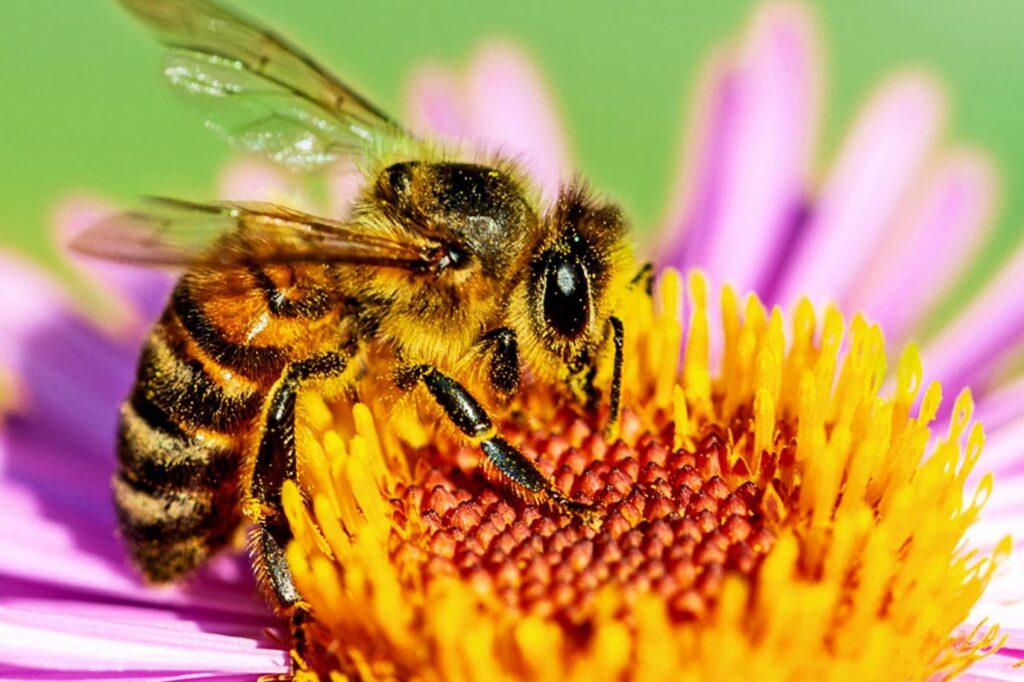
Of everything we’re preparing for, beekeeping is probably what I’m most looking forward to. I’ve joined a local bee club and am learning a lot from its members alongside the books I have. This winter, I’ll also be taking a beekeeping class in preparation for purchasing and setting up our spring bees.
The conversations have already helped shape our plans. Local beekeepers advised us to install an electric fence around the hives, and one showed us pictures of his destroyed hives after a bear got into them. Seeing that damage made it clear why we need the fence ready before our first colonies arrive.
Of course, bees also give me plenty of excuses to plant all things flowering!
Flowers are among the most beautiful things we get to experience on this earth—the colors, the smells, the variety, and the beauty in bloom for more than half the year. From wildflowers and herbs to flowering fruits and vegetables, I picture our future food forest brimming with color and activity.
I already have an area set aside for wildflowers, and we’re going to grow plenty of lavender, too. I’m really looking forward to those lavender fields and watching this part of the homestead take shape.
Chickens on the Homestead
Chickens will be an asset in so many ways: insect control, eggs, meat, and pure amusement. Between their contribution to the land and their personalities, there will be plenty to appreciate—and plenty to keep us entertained.
We plan to let the chickens free-range during the day and secure them in their coop at night, with the coop inside the electric-fenced area for added protection. Several chicken owners nearby successfully free-range their birds, so we’re hopeful about doing the same. If daytime predators become a problem, we’ll adjust the setup and use a chicken tractor with a movable fenced area.
A Place for the Rabbits
Rabbits will want to eat everything we plant and want to grow! They’ll have their own pen and nesting boxes, along with a fenced area where they can spend time outside without helping themselves to the gardens.
Eventually, we’d like a movable setup that allows us to rotate their space and give the ground time to recover fully. That’s something we can work toward as we establish their housing and settle into caring for them.
Food, Water, and Learning What Works
Along with housing and predator protection, we’re planning how to provide dependable food and water for these beautiful creatures that will help us care for the land and supply us with food.
Personally, I’d like to steer away from commercial feed as much as possible and grow more of what we need ourselves. I’m sure we’ll rely on it in the early stages while we research our options and determine what we can realistically provide from the homestead.
That part will develop over time, as the gardens become established and we get a better understanding of what works for our animals, our land, and our daily lives.
Why I Want to Make This Dream a Reality
For me, this is a lifestyle I’ve wanted my entire life. I love being one with the land—being able to walk out the door, pick my food and medicine, and enjoy the life we’re building.
There is peace in knowing I’m helping the land and the ecosystem thrive, and in imagining what these acres can become with care, attention, and years of work. The flowers, food, animals, and wildlife are all part of that picture.
We have so much in mind for the future of our homestead. Right now, we’re preparing a place for the first arrivals and turning years of dreaming into decisions, plans, and work we can put our hands to.
I’m excited. I’m a little anxious. And I’m ready to get started—one step at a time.
Keep Exploring
There’s more growing at Laven Thymes. Browse our articles for stories, practical ideas, and lessons from the land. We hope you’ll find something that sparks your curiosity or inspires your next project.
Explore Our Journey
Next In Our Journey
Related Reading
